

What is Conformal Coating on PCBs?
In the world of electronics manufacturing, Printed Circuit Boards (PCBs) are the backbone of countless devices, from smartphones to spacecraft. Ensuring their reliability and longevity is paramount, especially in harsh environments where moisture, extreme temperatures, and other contaminants can wreak havoc on sensitive electronic components. This is where conformal coating comes into play, providing a protective shield against such adversities.
What Is Conformal Coating?
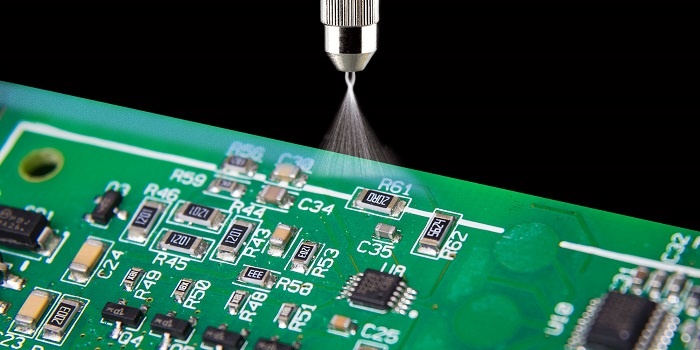
Conformal coating is a thin protective film applied to the surface of PCBs. Its primary purpose is to safeguard the delicate circuitry from environmental factors that could compromise performance or lead to premature failure. These coatings are specially formulated to adhere to the contours of the PCB, hence the term "conformal."
Types of Conformal Coatings
Conformal coatings come in various formulations, each tailored to specific application requirements. Common types include:
1. Urethane Conformal Coating: Known for its excellent moisture resistance and high dielectric strength, urethane coatings are ideal for applications where reliability is crucial, such as aerospace and automotive electronics.
2. UV Curing Coatings: These coatings utilize ultraviolet (UV) light to initiate the curing process rapidly. They are favored for their fast cure times and ability to achieve uniform coverage, making them suitable for high-volume production.
3. Heat Curing Coatings: Some coatings rely on heat to initiate curing, either through secondary curing mechanisms or external heat sources. While these coatings may have longer cure times, they offer robust protection against extreme temperatures.
Application Methods
Conformal coatings can be applied using various methods, depending on factors like production volume and desired coating thickness. Common application techniques include:
1. Robotic Spray Nozzles: In high-volume manufacturing settings, robotic spray nozzles provide precision application, ensuring consistent coating thickness across multiple PCBs.
2. Selective Coating: For complex PCB assemblies where certain components require protection while others do not, selective coating methods allow for targeted application, reducing waste and saving time.
Properties and Benefits
The properties of conformal coatings play a vital role in determining their effectiveness in protecting PCBs. Key properties include:
- Moisture Resistance: Prevents moisture ingress, which can leadto corrosion and short circuits.
- Thermal Stability: Withstands extreme temperatures withoutdegrading or losing adhesion.
- Electrical Insulation: Maintains high dielectric strength toprevent electrical leakage or shorting.
- Chemical Resistance: Guards against exposure to solvents, oils,and other contaminants.
UV Resistance: Protects against UV degradation, crucial foroutdoor or UV-exposed applications.
Conclusion
Conformal coating is a critical step in PCB manufacturing, offering vital protection against environmental hazards. From moisture-reactive formulations to UV-cured coatings, the diverse range of options allows manufacturers to tailor solutions to their specific needs. By investing in conformal coating, electronics manufacturers can enhance the reliability and longevity of their products, ensuring they perform flawlessly even in the harshest conditions. As a professional pcb coating manufacturer and electrical insulating solutions provider, we would be pleased to advise you individually, and you are also welcome to send your inquiry to eason@jxrt.com.