

Most Comprehensive Introduction to Potting Resin for Electronic Component Protection
In the realm of electronic components and circuit boards, protection is paramount. The key to ensuring longevity and reliability in sensitive electronic systems lies in the art of potting resin. This blog will delve into the world of potting resin, discussing its significance in electronic potting, the role it plays in flame retardancy, its application in high voltage environments, and the crucial factors like mix ratio and chemical resistance that contribute to its effectiveness.
What is Potting Resin?
Potting resin, often based on epoxy systems, is a specially formulated compound designed for potting and encapsulating electronic components. This process involves surrounding delicate electronic circuits with a protective layer to shield them from environmental factors such as moisture, dust, and physical damage.
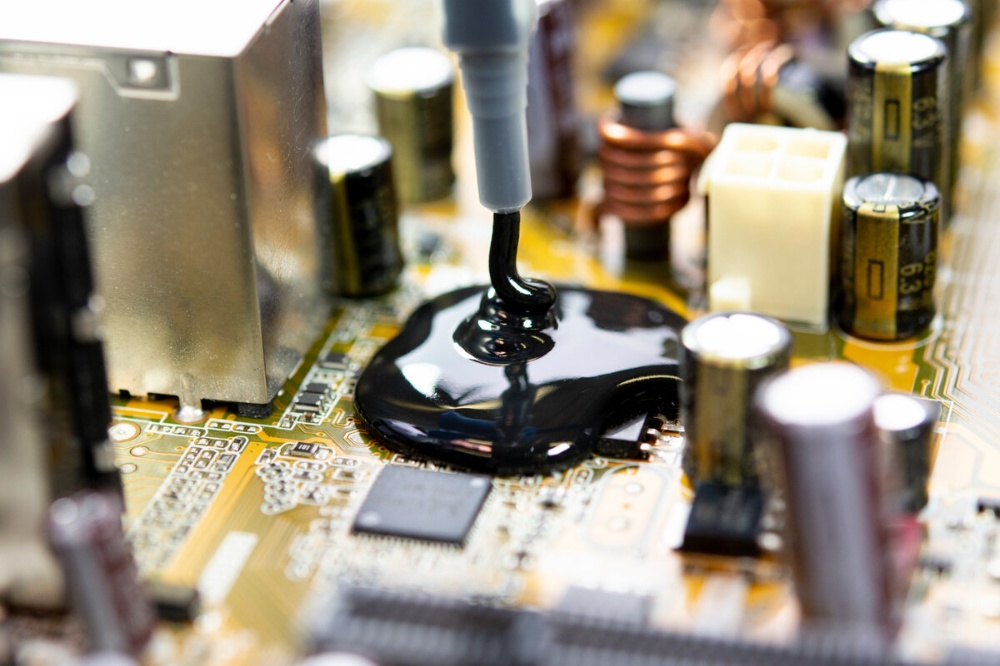
Electronic Potting and Its Importance:
Electronic potting is the process of filling the gaps and spaces in a circuit board with potting resin. This not only provides mechanical support but also enhances electrical insulation. The result is a robust and durable electronic component that can withstand the challenges of various operating conditions.
Flame Retardant Properties:
In certain applications, the potential for fire hazards is a significant concern. Potting resins are often engineered with flame retardant additives to ensure that electronic components meet safety standards. This added layer of protection is crucial in environments where fire safety is paramount.
High Voltage Environments:
Electronic systems operating at high voltages demand superior insulation. Potting resin acts as a dielectric barrier, preventing electrical arcing and enhancing the overall safety of the system. The ability of potting compounds to withstand high voltage is a critical factor in their selection for specific applications.
Mix Ratio Matters:
Achieving optimal performance from potting resin involves careful consideration of the mix ratio. The mix ratio refers to the proportion of resin to hardener, and striking the right balance is essential for the resin to cure effectively. Understanding and adhering to the recommended mix ratio is crucial for the success of the potting process.
Chemical Resistance:
In harsh industrial environments, exposure to chemicals is a common challenge. Potting resins are selected based on their chemical resistance properties, ensuring that the encapsulated electronic components remain unaffected by potentially corrosive substances. This resistance adds an extra layer of durability to the protected electronics.
Sensitive Electronics and Encapsulation:
Sensitive electronic components, such as sensors and microcontrollers, require meticulous handling. Potting resin provides a protective cocoon, safeguarding these components from physical damage, temperature variations, and external contaminants. The encapsulation process ensures the longevity and reliability of these sensitive elements.
Conclusion:
In the ever-evolving landscape of electronic engineering, the role of potting resin cannot be overstated. From ensuring flame retardancy to providing insulation in high voltage environments, potting resin is a versatile solution for protecting electronic components. By understanding factors like mix ratio and chemical resistance, engineers can master the art of potting, enhancing the reliability and longevity of electronic systems in various applications.