

What is Potting Compound Used For?
Potting compound, a versatile material in the realm of electronics, plays a crucial role in protecting and enhancing the performance of various electronic components. In this blog, we will explore the diverse applications and benefits of potting compounds, shedding light on their significance in electronics, circuit boards, and beyond.
What is Potting Compound?
Potting compounds are specialized materials used in electronics for potting and encapsulation purposes. These compounds are designed to protect electronic components from external factors such as moisture, chemicals, and physical damage. Two common types of potting compounds are urethane and epoxy, each offering unique properties to meet specific application requirements.
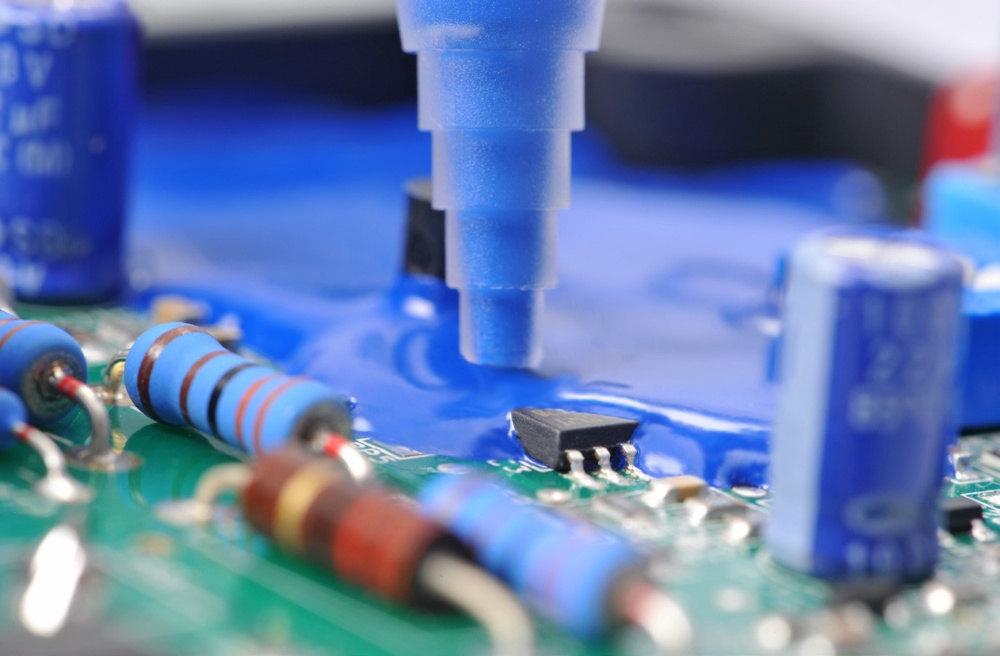
Electronics Potting for Circuit Boards:
Circuit boards are the backbone of electronic devices, and ensuring their longevity and reliability is paramount. Potting compounds provide a permanent protective layer for circuit boards, shielding them from environmental factors that could compromise their functionality. Epoxy and urethane potting compounds are often employed due to their excellent mechanical strength and resistance to chemicals.
Enhancing Mechanical Strength:
One of the key benefits of potting compounds is their ability to provide mechanical strength to delicate electronic components. The encapsulation process helps in stabilizing and reinforcing these components, making them more resilient to vibrations, shocks, and other mechanical stresses. This is particularly crucial in applications where durability is a top priority.
Air Bubbles and Effective Encapsulation:
During the potting process, the prevention of air bubbles is essential for ensuring a uniform protective layer. Proper potting techniques, along with the selection of suitable potting compounds like silicone or epoxy resin, help in achieving a void-free encapsulation. This contributes to the overall effectiveness of the potting compound in providing a reliable protective barrier.
Chemical Resistance:
Electronic components are often exposed to various chemicals in their operating environments. Potting compounds, especially those with high chemical resistance, act as a barrier against corrosive substances. This property ensures the longevity of electronic devices, even when used in challenging industrial or outdoor settings.
Electrical Potting Compounds:
In addition to providing physical protection, potting compounds also offer electrical insulation. This is crucial for preventing short circuits and electrical malfunctions. Engineers carefully select potting compounds with optimal dielectric properties to meet the specific insulation requirements of different electronic components.
Conclusion:
Potting compounds play a vital role in the world of electronics by providing permanent protective layers to delicate components. Whether it's circuit boards, electrical components, or other sensitive parts, the use of potting compounds enhances their durability, mechanical strength, and resistance to environmental factors. Engineers and manufacturers continue to rely on these compounds to ensure the reliability and longevity of electronic devices in various applications. As a professional potting compound manufacturer and electrical insulating solutions provider, we would be pleased to advise you individually, and you are also welcome to send your inquiry to eason@jxrt.com.